
The saffron guide
How Much Saffron to Use in Cooking: Recipe Examples
Use the amount in the recipe you are following, with its serving count and method. The examples below collect our existing culinary recipe notes in one place. They are not a universal amount per person, a precise thread-to-gram conversion or a medical dose.
Editorially reviewed
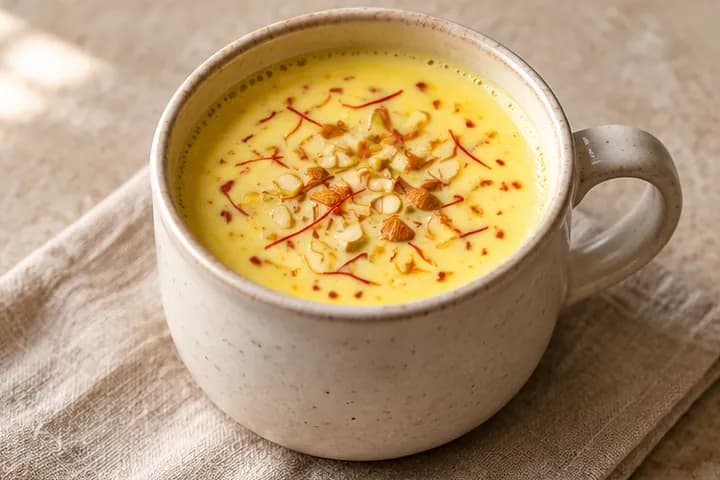
Saffron in our recipe notes
Read each quantity with its recipe and serving count. A pinch or a thread count is not a precise weight. These examples are for cooking, not supplement or medical dosing.
| Recipe | Servings | Saffron listed |
|---|---|---|
| Saffron rice | Serves 4 | A generous pinch of saffron, about 15 to 20 threads |
| Saffron milk | Serves 2 | 8 to 10 saffron threads |
| Phirni | Serves 4 | A pinch of saffron, steeped in 2 tablespoons warm milk |
| Kehwa | Serves 2 | 6 to 8 saffron threads |
Read the amount beside the serving count
A recipe quantity describes a particular batch. A pinch for a pot of rice cannot be compared directly with a thread count for two cups of tea without reading what each recipe makes. The quantity table keeps the saffron line beside the servings and links to the complete ingredient list.
The table is drawn from the same recipe records used by the individual pages. It is a reference to those notes, not a new set of independently tested amounts. The examples have been checked against the linked recipe records, and a cooking amount is not a health recommendation.
A pinch, a thread count and a weight differ
A pinch is a practical kitchen description, not a standardized weight. Counting threads gives another way to follow a recipe, but does not establish an exact mass for every batch. This guide therefore does not convert one pinch or a stated number of threads into a fixed number of grams.
The net weight printed on a retail pack tells you how much is sold. It does not tell you how many servings every recipe will make from that pack. Avoid a fixed servings-per-gram promise when the recipes use different amounts, and do not replace a thread measurement with an assumed spoon measure of powder.
Scale a complete recipe, not an isolated ingredient
If you change the batch size, start with the recipe's original servings and consider all its ingredients together. For example, making twice a two-serving recipe is a different task from adding an extra pinch to the same two cups. Pan size and cooking steps also deserve attention when changing a batch.
Keep a note of the dish, servings and amount you actually used so a later adjustment has some context. This is a cooking record, not a validated dosing chart. For a recipe that calls for a measured weight, follow that weight rather than using this table to infer a thread-count conversion.
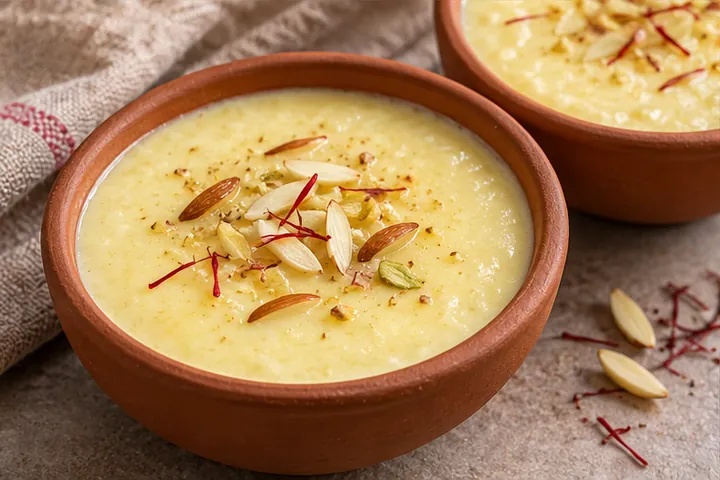
Keep the preparation with the quantity
The rice recipe gives a warm-liquid infusion and a final covered rest; kehwa puts threads in the cups before the tea is strained over them. Reading just the saffron amount misses those differences. Open the full method before starting and keep its liquid quantities in view too.
These examples cover food and drink only. They do not answer questions about supplements, pregnancy, treatment or daily medicinal intake. For those questions, seek advice from a qualified clinician rather than translating a rice or milk recipe into a dose. For culinary technique, continue to the preparation guide and the individual recipes.
Recipes to try
Keep exploring
Recipe and catalogue references
These are the KashmirSoul records behind the examples, not independent laboratory evidence or product certification.
Examples follow the linked KashmirSoul recipes and catalogue notes. Editorial review checks consistency; it does not represent an independent kitchen test or product certification.