
The saffron guide
Saffron Threads vs Powder: Choosing a Cooking Format
The practical question is whether the product format matches the way your recipe measures and prepares saffron. Our recipes use threads or a pinch. If you are considering a ground product, read its ingredients and measuring instructions rather than inventing a spoon-for-thread conversion.
Editorially reviewed
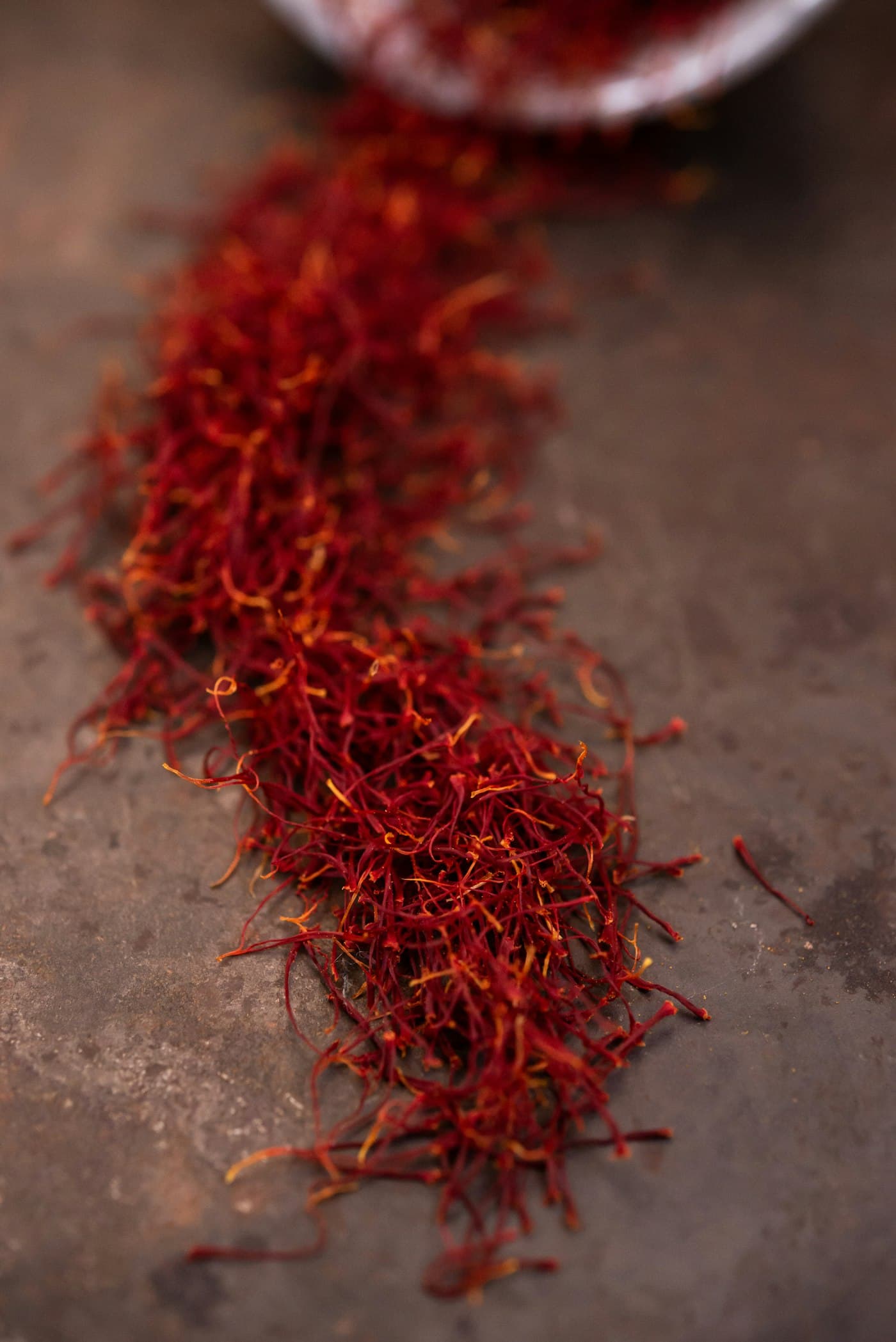
Read the format and ingredient description
Threads are the visible strands measured in several of our recipes. A ground product is measured differently: the recipe or pack may specify a weight or spoon quantity instead of a count. Before comparing the two, establish what the particular listing and its ingredient label actually describe.
Do not assume that a product described as a saffron mix, flavouring or blend has the same ingredients as a product described as saffron alone. Read the label rather than relying on the word saffron appearing in its name. This guide does not inspect or certify any powder, and KashmirSoul's current saffron listing is for threads.
Match the measure to the recipe
Our saffron rice notes call for a generous pinch of threads and also give an approximate thread count. The kehwa recipe counts threads for two servings. Neither method provides a weight-tested conversion to a teaspoon of a ground product, so this guide does not supply one.
Thread size, the size of a pinch and the way a spoon is filled make those kitchen descriptions different from a precise mass. If your recipe specifies weight, use that measurement with a suitable scale. If it was written for a particular format, use that format or obtain a tested adaptation instead of guessing an equivalent amount.
Follow the preparation for the chosen format
In our rice and milk recipes, the measured threads are steeped in a small portion of warm liquid before being added. Kehwa uses threads in the cups. Those instructions describe the ingredient form used by each recipe; changing to a ground product may require a different measuring and preparation instruction.
Check the ground product's own directions and a recipe written for it. Do not add a second amount of saffron simply because the ingredient looks different after grinding. Keep any liquid taken for an infusion within the full recipe's quantities, and return unused dry spice to its labelled pack.
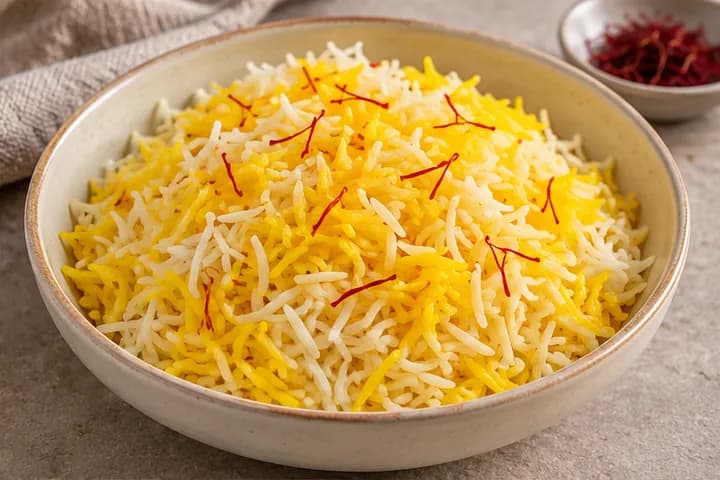
Choose on usefulness and verifiable information
For the thread-based recipes linked here, threads let you follow the ingredient descriptions as written. A different recipe may deliberately specify a ground format. Convenience and the intended dish are useful comparison points; neither format alone proves quality, origin, grade or purity.
Before buying, check net weight, ingredients, supplier details and any evidence behind specific claims. Keep separate questions separate: how you measure an ingredient in a recipe is one question; what establishes the claims on a product is another. The buying checklist covers the information to ask for without offering a household authenticity test.
Recipes to try
Keep exploring
Recipe and catalogue references
These are the KashmirSoul records behind the examples, not independent laboratory evidence or product certification.
Examples follow the linked KashmirSoul recipes and catalogue notes. Editorial review checks consistency; it does not represent an independent kitchen test or product certification.