
The saffron guide
How to Store Saffron Threads at Home
Keep dry saffron threads sealed in a cool, dark, dry place and follow the instructions on your own pack. A simple measuring-and-closing routine helps keep cooking steam and wet utensils away from the remaining threads.
Editorially reviewed
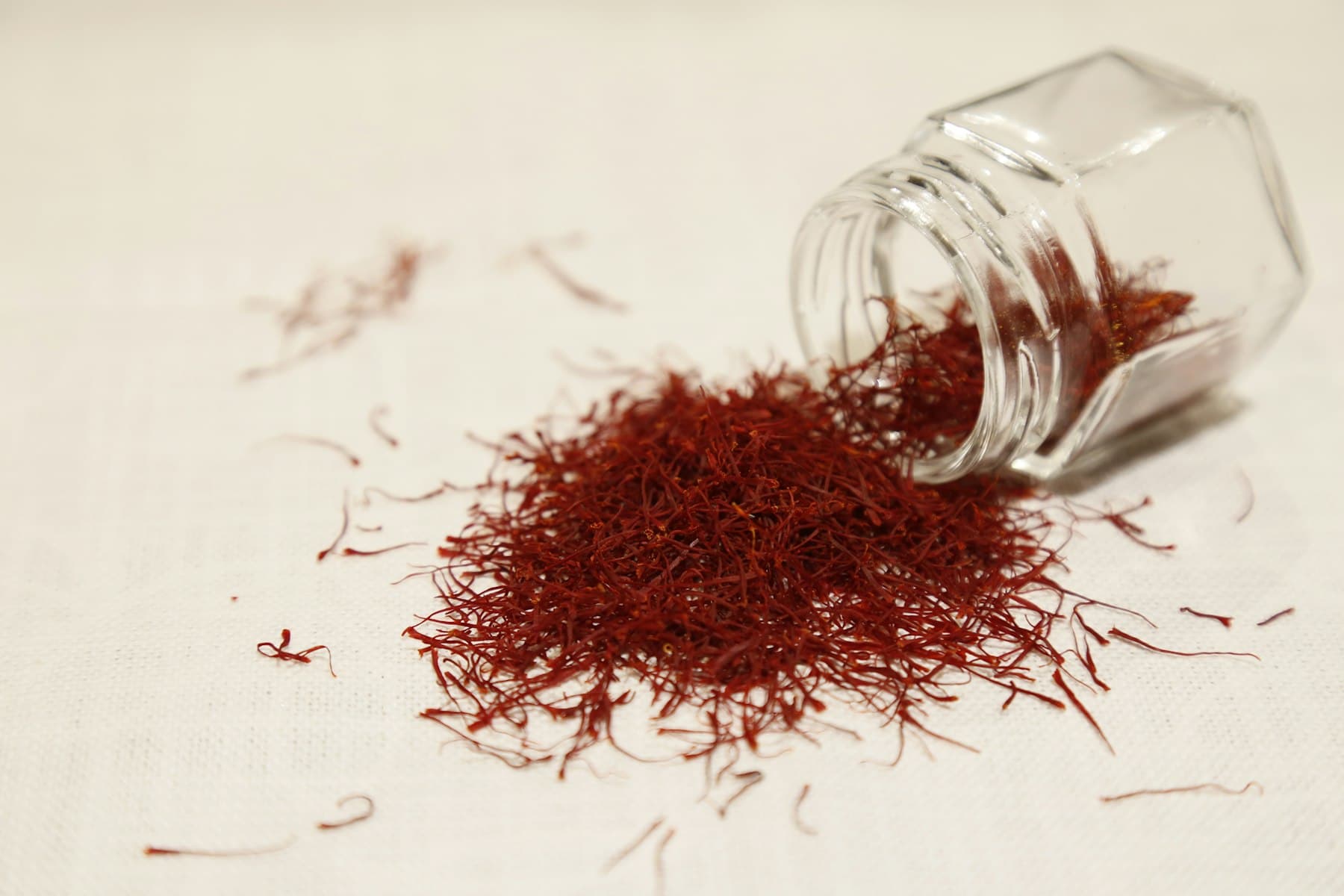
Choose a place before opening the pack
Our catalogue's storage note calls for a cool, dark, dry place and a tightly closed pack. Use that as the starting checklist when choosing a kitchen cupboard. Keep the saffron away from direct sunlight and from the steam produced where you cook or boil water.
Convenience matters too: choose a place where you can put the pack back after measuring it. Leaving it open beside a saucepan defeats that routine. Follow any more specific instructions on the supplied label; this guide cannot inspect the conditions in your kitchen or the packaging of a different seller's product.
Measure, close and put it away
Read the recipe before opening the saffron so you know what you need to measure. Use clean, dry utensils and a separate small bowl for the recipe's threads. Close the remaining pack before bringing milk, water or another cooking liquid into the process.
Keep the dry supply separate from the infusion. Once threads have been mixed with liquid for a dish, do not tip that liquid back into the dry pack. The rice and milk recipes explain how to prepare the portion you need; storage of the remaining dry threads is a separate task.
- Keep moisture and cooking steam away from the open pack.
- Measure the recipe portion with clean, dry utensils.
- Close the pack and return it to its usual storage place.
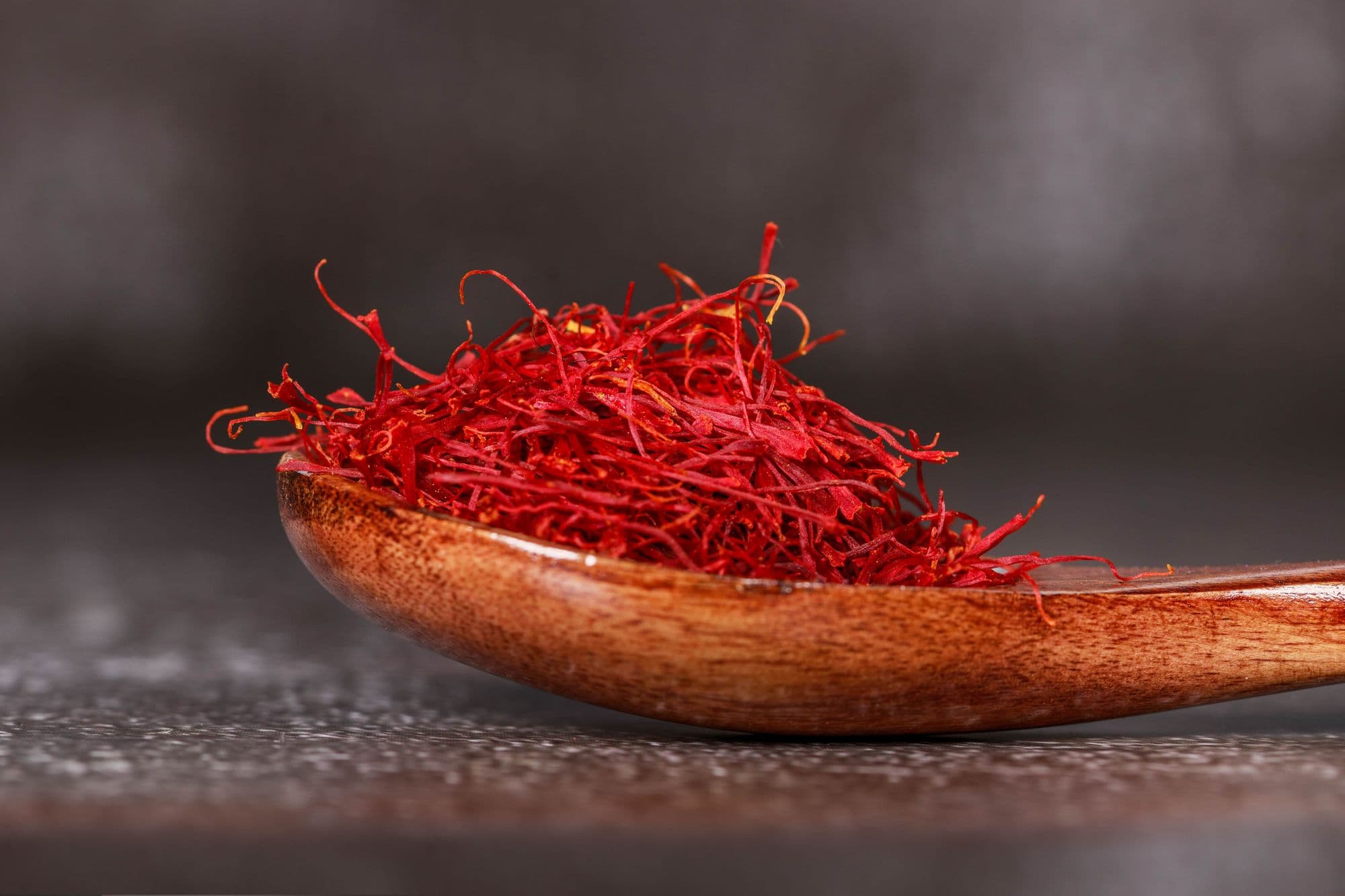
Keep the label and follow its date
Keep the product name, supplier details, batch information and date with the saffron. If you transfer it to another suitable container, retain that information rather than leaving an unlabelled jar. It is easier to ask a useful supplier question when you can identify the pack.
There is no universal shelf-life promise in this guide. Read the date and storage directions on the pack you bought. If those details are absent or unclear, ask the seller. A photograph, a colour change in water or the price paid does not replace the product's label and supporting information.
Keep dry-spice guidance separate from prepared food
This guide concerns dry saffron threads. Milk, tea, phirni and other prepared foods need their own handling instructions. The cupboard routine for an unopened or resealed dry-spice pack is not a storage rule for a milk infusion or leftover dessert.
For your next shop, choose a pack in relation to what you expect to cook, then check the current label when it arrives. Our product page lists the available pack choices. For the amount needed in a particular dish, return to the recipe rather than treating pack weight as a serving amount.
Keep exploring
Recipe and catalogue references
These are the KashmirSoul records behind the examples, not independent laboratory evidence or product certification.
Examples follow the linked KashmirSoul recipes and catalogue notes. Editorial review checks consistency; it does not represent an independent kitchen test or product certification.